
Economic Reconciliation
Indigenous Tourism: Pathways, Promise & Policy

Indigenous tourism in Canada: Learn how new funding, partnerships, and culturally rooted experiences are creating pathways to reconciliation and economic sovereignty.
Read MoreHow Will Climate Change Affect Indigenous Communities?
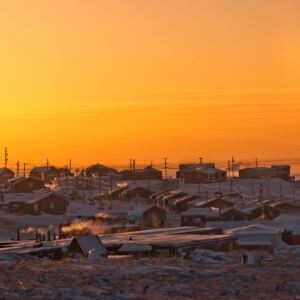
Indigenous communities are disproportionately affected by climate change, facing threats from traditional food systems to cultural disruption.
Read MorePeguis First Nation: Building Strength in Export Markets

Peguis First Nation leads Indigenous trade with diverse exports from clean energy to traditional goods, building economic sovereignty and market strength.
Read MoreLiquefied Natural Gas Exports Indigenous Communities

Indigenous-led $6B+ LNG projects like Cedar LNG drive Canada’s economic reconciliation and reshape global export strategy.
Read MoreArctic Defence Spending: How Will it Impact Indigenous Communities?
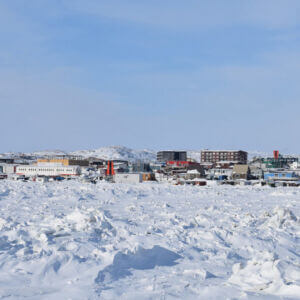
Arctic defence spending is set to increase under the current administration, potentially disrupting the lifestyle of Indigenous communities.
Read MoreICC Celebrates Southland Mall Re-Opening
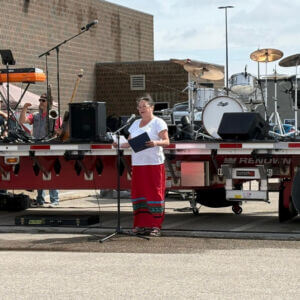
The ICC proudly attended the celebration of the reopening of the Southland Mall in Winkler, Manitoba.
Read MoreCommemorating 154 Years of Treaty No. 1
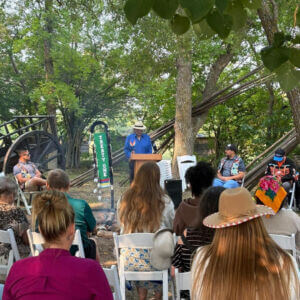
The Indigenous Chamber of Commerce attended the 154th anniversary of the signing of Treaty No. 1 at Lower Fort Garry.
Read MoreThe Métis Story: From Past to Present
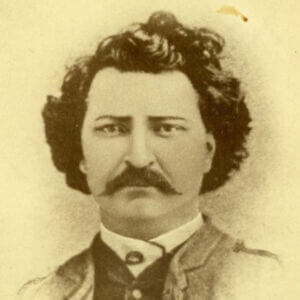
The Métis people founded the province of Manitoba, yet continue to fight for their rights.
Read MoreProposed Wind Farms in Indigenous Communities: A Path Toward Clean Energy and Economic Self-Determination
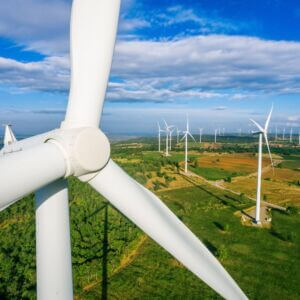
Indigenous communities across Canada are developing wind farms they own and control, creating economic opportunities while advancing clean energy.
Read MoreHow Shopping Locally Builds Economic Resiliency

Shopping locally builds economic resilience by keeping 2/3 of dollars in communities, particularly benefiting Indigenous businesses.
Read More