
by ICC Staff
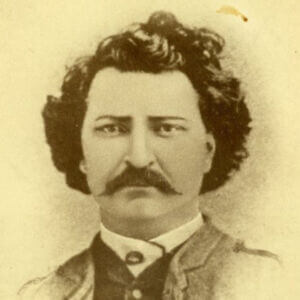
The Red River Métis have shaped the history of Manitoba, and the country’s history more broadly, long before Confederation. Yet, despite being the founders of the province, the Métis people are still battling for recognition within their ancestral homeland.
The Métis people were formed out of a unique cultural blend of Indigenous and European fur-trade settlers, rooted in the Red River Settlement – present-day Winnipeg. Over time, they developed unique traditions, customs, and practices including Michif, jig dances, and beadwork, among other things.
It is during the Battle of Seven Oaks in 1816 that the founding of the ’New Nation’ is understood to have taken place, with the Métis people asserting their sovereignty. Toward the latter-half of the 19th century, the Métis people, under the leadership of Louis Riel, formed a provisional government and negotiated Manitoba’s entry into Confederation; drafting the 1869 Métis Bill of Rights in the process which sought to enshrine land, language, and schooling rights as foundational values to be protected.
In 1870, the Manitoba Act incorporated these rights. Ultimately, many of these rights would fail to be respected by successive governments. Land that was intended for the Métis people under Section 31 of the Manitoba Act never materialized as promised, causing dislocation and setting the tone for the marginalization of Métis people.
It took over a century until the Constitution Act of 1982 for the Métis people to be formally recognized within Canada’s constitutional framework, alongside First Nations and Inuit peoples.
In 2013, the Supreme Court of Canada found that the federal government had failed to uphold the rights of the Métis people given the numerous violations of the Manitoba Act. This landmark decision affirmed Métis rights and paved the way for legal standing to the Manitoba Métis Federation as the official representative of the Métis people.
Despite these victories, critical issues remain unresolved: section 31 land claims are still under negotiation and debates persist over education, child welfare, and health jurisdiction, among other things. Moreover, a new problem is plaguing the community with an increase in the number of false claims of Métis ancestry.
The Métis journey in Manitoba has been both painful and powerful: from displaced founder-people whose land rights were denied, to constitutional and treaty recognition and the threshold of self-governance. Their struggle for justice continues — not just through courtroom wins, but in the assertive, resilient revival of nationhood grounded in ancestral homeland and collective rights.
Join Our Newsletter
As Manitoba's voice for Indigenous business and your partner in economic reconciliation, we connect you to opportunities that drive change. Subscribe to receive updates on Indigenous business developments, partnership opportunities, and upcoming events delivered straight to your inbox.
You Might Also Like
Change: Leadership Transitions and Other Adventures
ICC Manitoba’s new CEO reflects on organizational change, why transparency beats silence, and how a clear mission keeps teams moving forward through any transition.
Canada’s Sovereign Wealth Fund and Opportunities for Indigenous Communities
Canada’s proposed sovereign wealth fund and what it could mean for Indigenous economic partnership, equity participation, and reconciliation-aligned nation-building.
Norway House and the Growing Importance of Critical Minerals for Indigenous Communities
As demand for critical minerals grows, Indigenous communities like Norway House are central to Canada’s clean energy transition and sustainable mining future.