by ICC Staff
As the global economy shifts toward cleaner energy and advanced technology, critical minerals are becoming one of the most important economic opportunities in Canada. Minerals such as lithium, nickel, cobalt, copper, and rare earth elements are essential for manufacturing electric vehicles, batteries, renewable energy systems, and modern electronics, among other things.
Manitoba's Critical Minerals Landscape
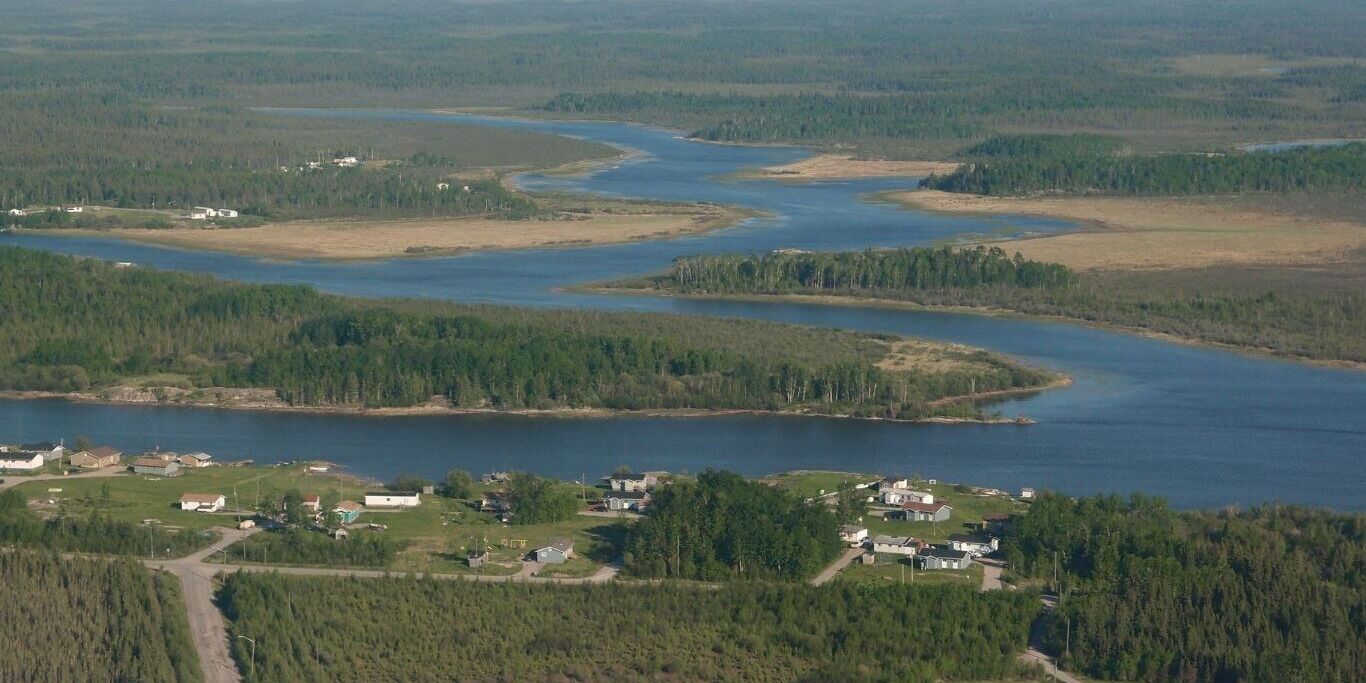
Manitoba is home to 30 out of 34 recognized critical minerals by the federal government, and particularly the region surrounding Norway House, is increasingly being recognized as part of this important conversation.
For Indigenous communities, the rise of the critical minerals sector presents both opportunity and responsibility. Many of these mineral deposits are located on or near traditional territories, making Indigenous leadership and participation essential to future development. Communities like Norway House have long demonstrated resilience, strong governance, and a deep connection to the land: qualities that are increasingly important as governments and industry seek sustainable approaches to resource development.
Economic Opportunities and Environmental Responsibility
Manitoba already has a strong mining history, particularly in northern regions, but the demand for critical minerals is expected to grow significantly over the next decade. Provincial governments across Canada are investing heavily in exploration, infrastructure, and supply chains to support the transition to a low-carbon economy.
With this, new opportunities emerge for Indigenous businesses in areas such as environmental monitoring, transportation, construction, camp services, logistics, security, and skilled trades, among other opportunities.
At the same time, conversations around critical minerals must include environmental stewardship and long-term community benefits. Indigenous communities have consistently emphasized that economic development should respect the land, protect water systems, and create meaningful local employment and training opportunities. Increasingly, companies and governments recognize that successful projects require early engagement, partnership, and Indigenous participation at every stage of development.
Building a Future Through Partnership
For communities like Norway House, the critical minerals sector could become part of a broader strategy for economic growth and self-determination. Investments in infrastructure, education, and workforce development have the potential to create lasting benefits for future generations while strengthening northern economies.
As Canada positions itself as a global supplier of critical minerals, Indigenous communities will play a central role in shaping how these projects move forward. The future of the industry will depend not only on what is extracted from the ground, but also on how partnerships are built with the people and communities who have cared for these lands for generations.
Join Our Newsletter
As Manitoba's voice for Indigenous business and your partner in economic reconciliation, we connect you to opportunities that drive change. Subscribe to receive updates on Indigenous business developments, partnership opportunities, and upcoming events delivered straight to your inbox.