by ICC Staff
While Economic Development Opportunities Unfold for Indigenous Communities, Concerns Remain
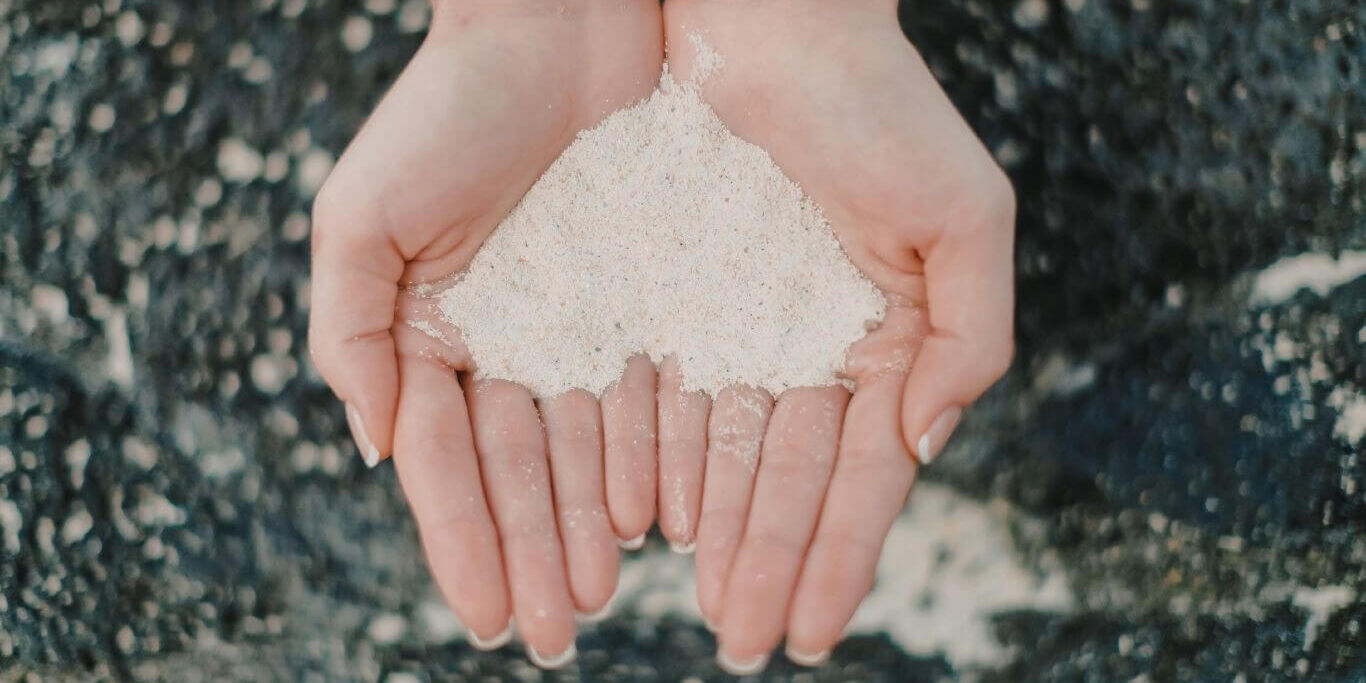
Manitoba sits on some of the most promising silica sand resources in North America, a fact drawing increasing attention as global demand for high-tech materials continues to grow. Silica is a foundational material in products we use every day: from glass windows and bottles to fibre-optic cables and semiconductors that power everything from electric toothbrushes, smartphones, and artificial intelligence systems.
Silica’s importance has only been underscored by global initiatives like the U.S. Pax Silica partnership, a new international effort to secure resilient supply chains for advanced technologies by coordinating strategic mineral production and processing across allied countries.
A Resource of Global Significance
In Manitoba, the most significant deposits occur within the ancient Winnipeg Formation, with silica sand of over 99.5% purity identified by the provincial geological survey, among the highest quality in the continent according to the provincial government. This level of purity makes Manitoba’s silica attractive for specialty glass, silicon metal, semiconductors, and other high-value industrial applications tied directly to clean energy and electrification infrastructure.
For Indigenous communities, responsibly developed silica projects could provide meaningful economic participation. A recent partnership proposal between the Brokenhead Ojibway Nation and the Alberta-based company Sio Silica offered a revenue sharing agreement and employment opportunities tied to a mine based in southeastern Manitoba.
This partnership, however, did not move forward after the community voted against participation, illustrating the real concerns that exist despite the promising economic opportunities.
Balancing Economic Opportunity with Environmental Responsibility
Manitoba’s broader experience with silica mining underscores this dual opportunity and challenge. A high-profile proposal to extract silica from deep aquifers near Springfield was denied an environmental license due to concerns over impacts on vital drinking-water resources for nearly 100,000 people. Public debate has also highlighted worries about groundwater, watershed protection, and Indigenous treaty rights.
Despite the obstacles, there are paths forward. Projects closer to the surface or those with strong environmental safeguards, paired with early, meaningful consultation and equitable benefit agreements, could help communities secure jobs, training, and revenue streams. Indigenous-owned businesses might also play a role in the supply chain: from hauling and site services to environmental monitoring and reclamation work.
The global push embodied by Pax Silica reflects why the present moment presents a crucial economic development opportunity. It is of utmost importance, however, that nations and regions that can responsibly supply critical minerals like silica are positioned to participate in the next wave of economic growth tied to clean energy and advanced technology.
Join Our Newsletter
As Manitoba's voice for Indigenous business and your partner in economic reconciliation, we connect you to opportunities that drive change. Subscribe to receive updates on Indigenous business developments, partnership opportunities, and upcoming events delivered straight to your inbox.