
by ICC Staff
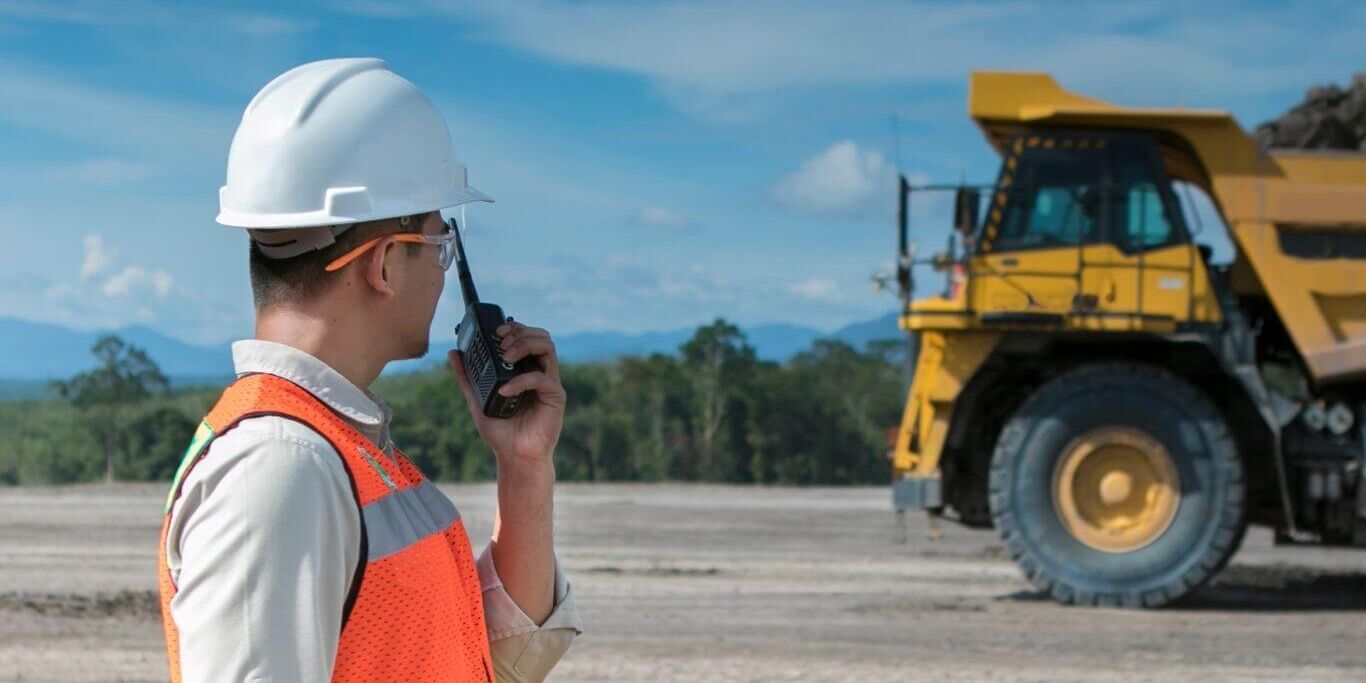
As the global demand for key minerals — essential to the production of electric vehicles, renewable energy, and specialized manufacturing — continues to grow, Canada is poised to take the lead in the critical minerals industry. The federal government, recognizing the importance of these minerals, including nickel, copper, cobalt, and several others, has devised its Critical Minerals Strategy (CMS) to strengthen the nation’s role in the push for investment.
Indigenous Leadership at the Core of Canada's Strategy
A central pillar of the CMS is advancing Indigenous participation and reconciliation, recognizing that many critical mineral deposits sit on or near Indigenous territories. The federal strategy explicitly acknowledges that Indigenous peoples are key actors and stewards of these lands, and that successful development depends not just on consultation, but free, prior, and informed consent (FPIC)
Ottawa has pledged to support Indigenous involvement in jobs, ownership, and decision-making from exploration through to processing and manufacturing. This includes initiatives such as the Critical Minerals Infrastructure Fund (CMIF) Indigenous Grants stream, which makes up to $3 million available for Indigenous organizations and partnerships to build capacity and participate in critical minerals and clean-energy projects.
Furthermore, the federal government has also funded training and collaboration projects through Natural Resources Canada programs that increase Indigenous engagement and technical expertise related to critical mineral development. These measures aim to ensure that communities can more effectively leverage opportunities for employment and equity participation as Canada develops its mineral value chains.
The Economic Opportunity: A $500 Billion Sector
Economic analyses suggest that responsible development of critical minerals could contribute up to $500 billion in additional output over the lifespan of potential projects, offering significant economic opportunities for Indigenous communities that participate meaningfully in these sectors.
Balancing Development with Rights and Environmental Protection
However, concerns remain. Indigenous voices and advocacy groups stress that investment must be paired with robust protections for treaty rights, including FPIC and respect for cultural and environmental values. Critics of mining-led approaches point to historical patterns where natural resource development proceeded without adequate consultation, leading to environmental, cultural, and economic harms that were borne disproportionately by Indigenous communities.
To this end, advocates for both Indigenous economic reconciliation and investment in key sectors have proposed equity initiatives, such as the Canada Infrastructure Bank’s Indigenous Equity Initiative, to encourage Indigenous communities to acquire equity involvement in these emerging projects.
This not only ensures that Indigenous communities will have a voice in the development of these infrastructure developments, but that the financial gains are returned to their rightful owners. In practice, striking a balance between economic opportunity and rights protection will be pivotal.
Join Our Newsletter
As Manitoba's voice for Indigenous business and your partner in economic reconciliation, we connect you to opportunities that drive change. Subscribe to receive updates on Indigenous business developments, partnership opportunities, and upcoming events delivered straight to your inbox.