
by ICC Staff
In November 2025, the federal government introduced Budget 2025: Canada Strong, a spending plan that proposes more than $141 billion in new expenditures and projects a $78.3 billion deficit over five years. Having narrowly passed the House of Commons, the budget outlines major investments in infrastructure, housing, and economic participation, particularly for Indigenous communities across Canada.
Renewed Commitment to Clean Water
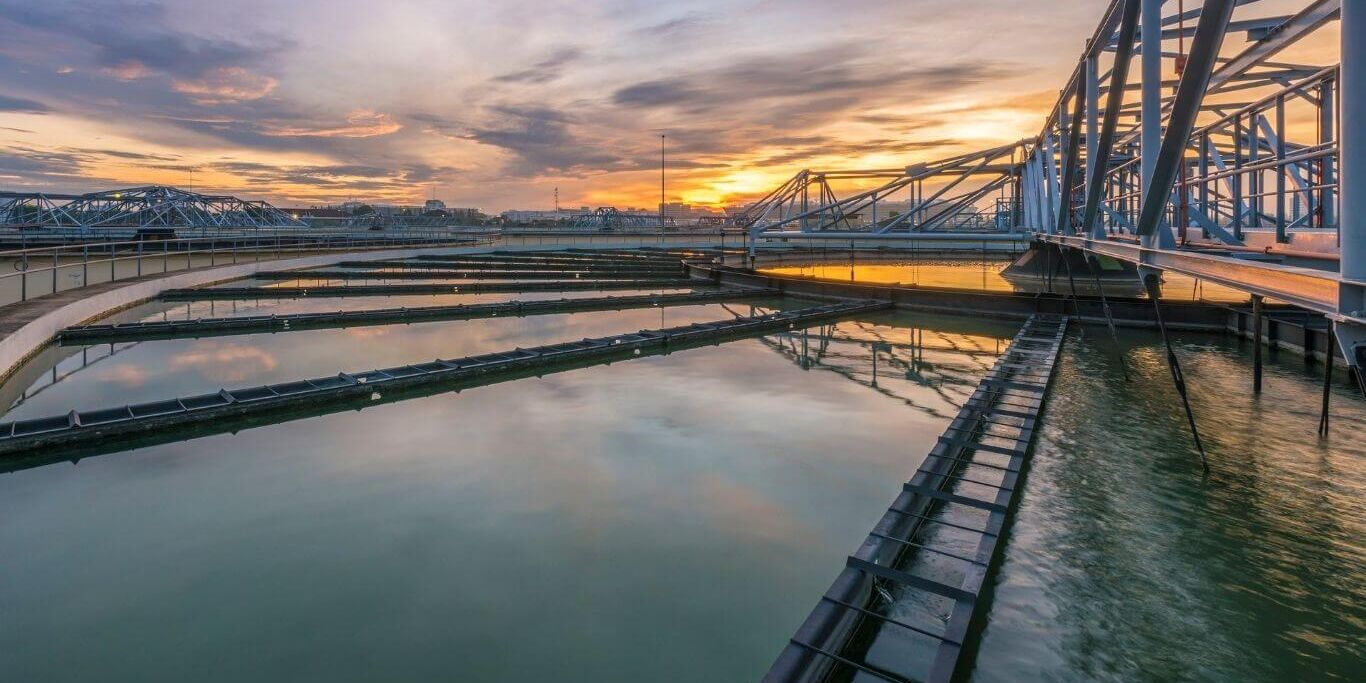
One of the most significant commitments for First Nations is the renewal of the First Nations Water and Wastewater Enhanced Program. The budget allocates $2.3 billion over three years, beginning in 2026–27, to support roughly 800 active water and wastewater projects.
This funding builds on more than $7 billion invested since 2016, which the federal government says has contributed to lifting approximately 85 percent of long-term drinking water advisories on reserve. While dozens of advisories remain, renewed funding is expected to improve access to safe drinking water and reduce health risks in affected communities.
Major Housing Investments
Housing also features prominently in the budget, with $2.8 billion committed to Indigenous housing across Canada. Indigenous households continue to experience disproportionately high rates of overcrowding and core housing need, particularly in northern and remote areas.
Infrastructure Bank and Economic Participation
In support of long-term infrastructure development, the government has also increased the Canada Infrastructure Bank’s Indigenous investment target from $1 billion to $3 billion, aimed at financing community-led projects that support housing, utilities, and essential services.
Furthermore, the budget emphasizes Indigenous participation in major infrastructure and resource projects. Expanded support for Indigenous contractors and businesses, along with an increase in the Indigenous Loan Guarantee Program from $5 billion to $10 billion, is intended to help Indigenous governments acquire equity stakes in large projects.
Indigenous-led financial institutions such as the First Nations Finance Authority demonstrate the potential of this approach, having facilitated more than $4 billion in financing and contributed an estimated $8.5 billion to Canada’s economy.
What's Missing: Indigenous Leaders Raise Concerns
Despite these advances, Indigenous leaders have raised concerns about what Budget 2025 does not include. The Assembly of First Nations has criticized the absence of new targeted investments in health, education, post-secondary training, and language revitalization, as well as the lack of a dedicated chapter to Indigenous economic affairs, among other things.
In addition to the concerns raised by the Assembly of First Nations, the budget also projects spending reductions at Indigenous Services Canada and Crown-Indigenous Relations and Northern Affairs Canada, estimated at roughly two percent annually and totalling about $2.3 billion by 2030; these are essential government institutions for Indigenous communities, which have already been operating under financial strain for a long time.
The Bottom Line
Overall, Budget 2025 delivers important infrastructure investments that may improve living conditions and economic opportunities in many Indigenous communities. However, Indigenous leaders caution that without sustained and targeted funding for health, education, and Indigenous-led services, the budget falls short of addressing deeper structural inequities and the federal government’s broader commitments to reconciliation.
Join Our Newsletter
As Manitoba's voice for Indigenous business and your partner in economic reconciliation, we connect you to opportunities that drive change. Subscribe to receive updates on Indigenous business developments, partnership opportunities, and upcoming events delivered straight to your inbox.